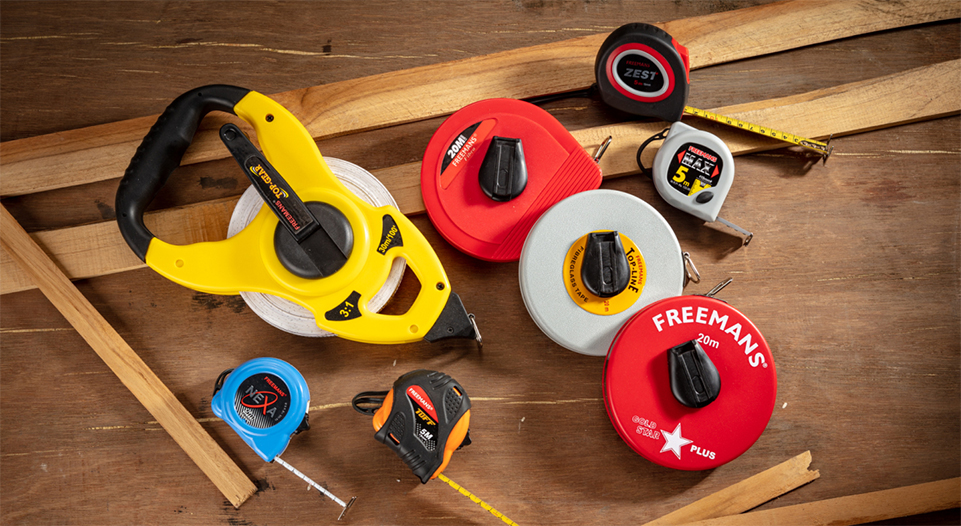
A tape measure is one of the most frequently used tools in construction, home improvement, and everyday repairs. Accurate measurements are the foundation of any successful project, whether you’re cutting lumber, installing cabinets, building furniture, or planning a renovation.
While tape measures may appear simple, there are important differences in length, blade strength, durability, and ease of use. Choosing the right tape measure can make measuring faster, more accurate, and less frustrating—especially on larger projects.
At CraftWeco, we recommend selecting a tape measure that fits the type of work you do most often and can withstand regular use.
Common Tape Measure Lengths
Tape measures are available in several lengths, each suited to different types of projects.
16–20 foot tape measures
These are compact and convenient for small indoor tasks such as measuring furniture, shelves, or smaller renovation projects.
25 foot tape measures
A 25-foot tape measure is the most common and versatile option. It provides enough reach for most home improvement tasks and general construction work.
30–35 foot tape measures
Longer tape measures are useful for larger spaces, outdoor construction, and framing projects where extended reach is necessary.
For most homeowners and DIY enthusiasts, a 25-foot tape measure provides the best balance between portability and versatility.
Blade Width and Standout
The width of the measuring blade affects how far the tape can extend before bending. This distance is often referred to as standout.
A wider blade generally provides greater stability and allows the tape to extend further without collapsing. This can be especially helpful when measuring large surfaces or when working alone.
A sturdy blade also improves accuracy by reducing the need to support the tape measure during longer measurements.
Durability and Construction
Tape measures are frequently exposed to rough conditions on jobsites or in workshops. A durable design helps ensure the tool continues working reliably over time.
Features to look for include:
- Impact-resistant outer casing
- Clear and easy-to-read measurement markings
- Strong blade lock for secure measurements
- Smooth retraction mechanism
A well-built tape measure should be able to handle regular drops, dust, and heavy use without affecting performance.
Easy-to-Read Markings
Clear measurement markings help improve accuracy and reduce mistakes during projects.
Many modern tape measures include larger numbers, highlighted markings, and fractional indicators that make it easier to read measurements quickly. This can be especially useful when working in low-light conditions or when measuring repeatedly.
Some models also include additional reference markings for framing and construction layouts.
Comfort and Handling
A tape measure should feel comfortable to hold and easy to operate with one hand. Ergonomic designs with rubberized grips can improve control and reduce slipping during use.
A smooth blade retraction system is also important. Tape measures that retract too quickly can wear out faster and may even cause injury if the blade snaps back suddenly.
Choosing a tape measure that feels balanced and durable helps make measuring tasks easier and more reliable.
Choosing a Tape Measure That Works for You
While tape measures are simple tools, the right design can make a noticeable difference during projects. Selecting the proper length, blade strength, and durability ensures accurate measurements and reliable performance.
At CraftWeco, we believe even the most basic tools should be dependable. A quality tape measure may be used hundreds of times during a project, making it one of the most important tools in any toolbox.
Choosing a well-built tape measure helps ensure every project begins with accurate measurements and reliable tools.