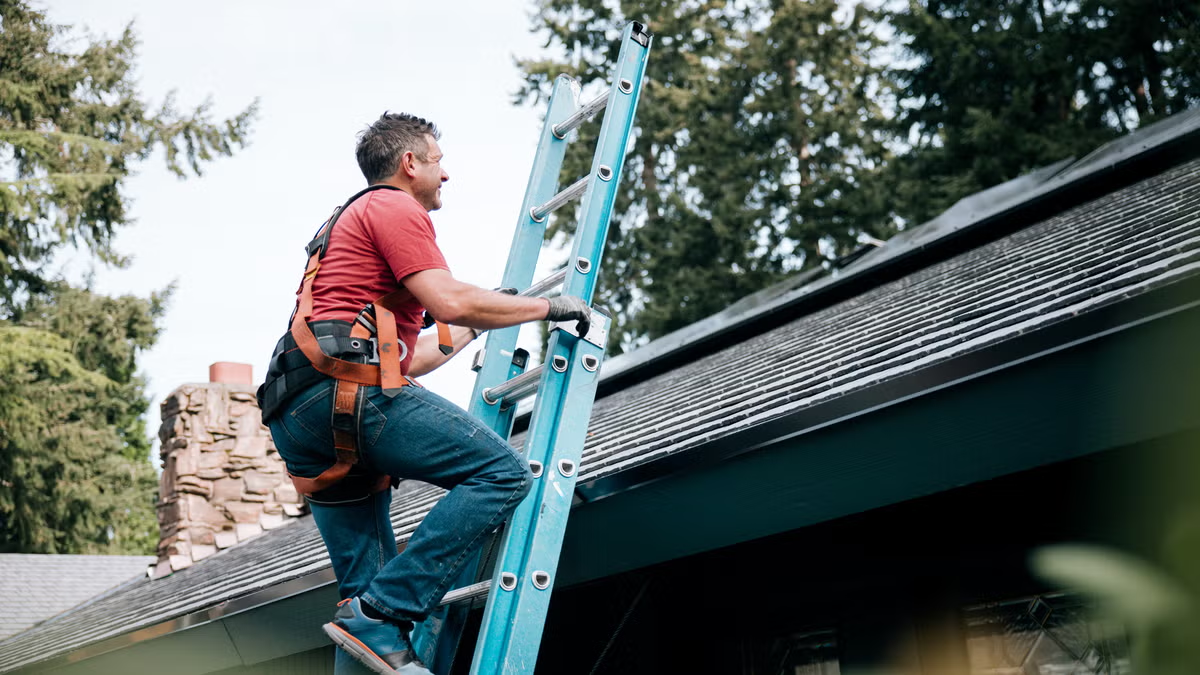
Ladders are essential for many types of work, from simple home maintenance to professional construction projects. Whether you’re painting a room, repairing a roof, or installing lighting fixtures, using the right ladder improves both safety and efficiency.
Choosing a ladder involves more than simply picking one that reaches high enough. The ladder type, weight rating, and working height all play important roles in selecting a ladder that fits the job.
At CraftWeco, we recommend choosing ladders that provide both stability and durability for the tasks you perform most often.
Types of Ladders
Different ladder designs are intended for different types of work environments.
Step Ladders
Step ladders are self-supporting and commonly used for indoor projects. They are ideal for tasks such as painting, installing shelves, or performing basic repairs around the home.
Extension Ladders
Extension ladders are designed for reaching higher areas such as roofs or exterior walls. These ladders extend vertically and require a stable surface to lean against.
Multi-Position Ladders
Multi-position ladders can be adjusted into several configurations, making them useful for a variety of tasks. They provide flexibility for both indoor and outdoor work.
Selecting the right ladder type depends on the height and type of work you plan to perform.
Choosing the Right Height
A ladder should allow you to comfortably reach your work area without standing on the very top step. Overreaching or standing too high on a ladder can reduce stability and increase the risk of accidents.
When selecting a ladder, consider the height of the project and choose one that allows you to maintain a stable working position.
A ladder that is slightly taller than needed often provides better safety and flexibility.
Weight Rating and Capacity
Ladders are designed with different weight capacities, which include the weight of the user plus any tools or materials being carried.
Common ladder duty ratings include:
- Type III – light duty household use
- Type II – medium duty projects
- Type I – heavy duty construction work
Choosing the proper weight rating helps ensure the ladder remains stable and secure during use.
Ladder Materials
Ladders are typically made from aluminum, fiberglass, or steel. Each material offers different advantages depending on the work environment.
Aluminum ladders are lightweight and easy to transport.
Fiberglass ladders provide greater durability and are often preferred when working near electrical sources.
Steel ladders are strong but less common for portable use due to their weight.
Selecting the right material depends on the type of work and conditions where the ladder will be used.
Safety and Stability
Safety should always be the first priority when using a ladder. Before beginning any project, make sure the ladder is placed on stable, level ground and is fully secured.
Regularly inspect ladders for damage, loose components, or worn feet that could reduce stability.
Using the correct ladder and following proper safety practices helps prevent accidents and ensures projects are completed safely.
Choosing the Right Ladder for Your Work
The best ladder is one that fits both the task and the environment. By considering ladder type, height, weight capacity, and material, you can choose a ladder that provides the support and stability needed for your projects.
At CraftWeco, we believe reliable equipment plays an important role in safe and efficient work. Selecting the right ladder helps ensure that every project begins with the right foundation.